
Chicago O’Hare International Airport Security Wait Times – Know All That You Need to At Length
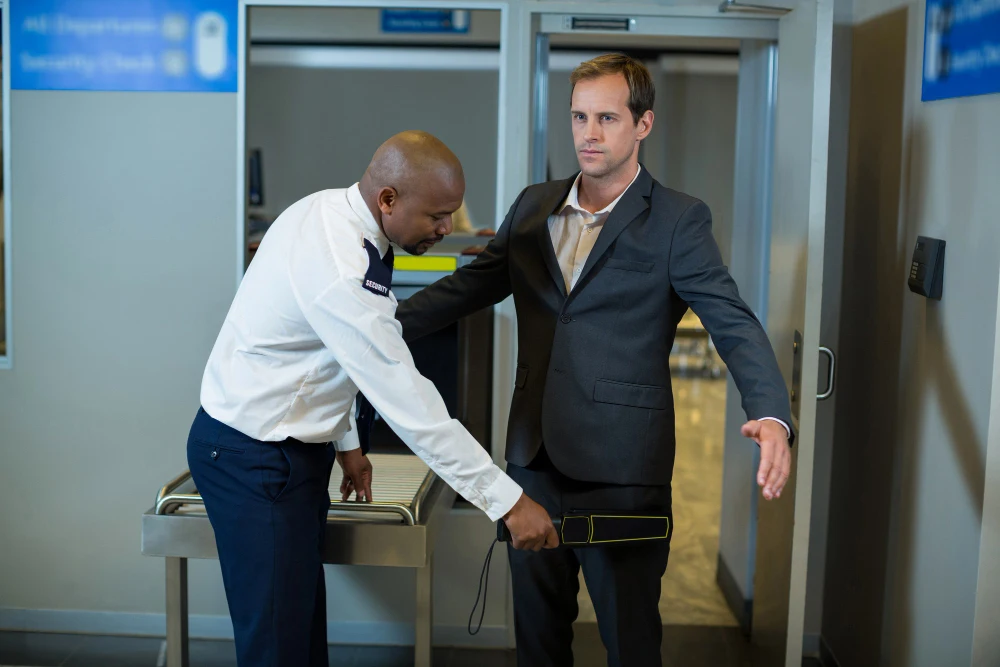
Chicago O’Hare International Airport (ORD) ranks among the busiest airports in the world, welcoming millions of passengers every year. With such high traffic, security wait times directly impact the ease and comfort of travel. The Transportation Security Administration (TSA) manages all security checkpoints across O’Hare’s terminals, ensuring that every traveler passes through safely and efficiently. Because security is a top priority, understanding wait times helps passengers plan better, reduce stress, and avoid last-minute rushes.
What is the Security Wait Times At ORD?
The security wait times at ORD varies as per the peak and no peak hours. Early mornings and evenings as well as the weekends may encounter huge rush. Here is what we got from different traveller reviews at Reddit regarding security wait times at ORD.
- One traveller mentioned encountering a wait time less than 15 minutes at the ORD Airport on a Friday.
- Another traveller mentioned that in the morning it took around 20 minutes to clear security.
- As per the verdict of another individual on the 3rd of November TSA Precheck took no more than 5 minutes.
- Another review tells us that the security check at Terminal 2 took no more than 10 minutes at 7:30 in the morning.
So, it is always important that you check-in early, at least two hours before boarding for domestic flights, and three hours for international.
How Does TSA Manage Security Checkpoints At ORD?
The TSA oversees every aspect of security screening at ORD. Each terminal has designated checkpoints with posted hours of operation, and travelers can access official TSA resources to confirm schedules before arriving. By maintaining strict procedures, TSA ensures that passengers move through checkpoints in an orderly manner. Additionally, TSA officers remain available to answer questions and guide travelers, which helps streamline the process and minimize confusion.
What Options Help Reduce Wait Times At ORD?
O’Hare offers several programs designed to make security clearance faster and more convenient.
- Global Entry: International passengers can bypass long lines with expedited entry into the United States.
- Mobile Passport Control: This service allows travelers to submit passport information digitally, cutting down on paperwork and wait times.
- TSA PreCheck: Enrolled passengers enjoy shorter lines and simplified screening, such as keeping shoes and laptops in place.
These services not only save time but also enhance the overall travel experience, especially during peak hours.
How Can You Navigate ORD Security Wait Times Smoothly?
Being prepared for security screening before you reach Chicago O’Hare International Airport (ORD) makes your travel experience faster and less stressful. Since O’Hare is one of the busiest airports in the world, long lines are common. Planning ahead with TSA guidelines ensures you move through checkpoints quickly and avoid unnecessary delays.
What Is TSA Pre✓® and How Does It Help?
The TSA Pre✓® Program allows low-risk travelers to enjoy expedited screening. U.S. Armed Forces service members including the Coast Guard, Reserves, and National Guard; also benefit from this program. With TSA Pre✓®, passengers can keep shoes, belts, and light jackets on, and laptops or small liquids remain in bags. This program significantly reduces wait times at participating checkpoints for both domestic and international travel.
Enrollment Details
- Location: Terminal 1 , baggage claim, close to door 1 G
- Hours: Monday to Friday, 7:30 am to 11:30 am / 12 pm to 4 pm; closed weekends
- Requirements: Proof of identity and U.S. citizenship (passport or birth certificate + driver’s license).
- Process: Fingerprinting, background check, and $85 fee for five years of service. Payment accepted via credit card, money order, company check, or certified/cashier’s check.
What Are the Checkpoint Hours at ORD?
Checkpoint hours vary by terminal and may change depending on airport operations. Below is a snapshot of general hours:
| Terminal | Checkpoint | Open | Close | Pre✓®Open | Pre✓® Close |
| 1 | CP1 | 4:00 am | 8:30 pm | – | – |
| 1 | CP2 | 4:15 am | 8:30 pm | 4:00 am | 8:30 pm |
| 1 | CP3 | 4:00 am | 6:00 pm | – | – |
| 2 | CP5 | 3:15 am | 11:00 pm | 3:30 am | 8:00 pm |
| 3 | CP6 | 3:45 am | 8:00 pm | – | – |
| 3 | CP7 | 3:30 am | 9:00 pm | – | – |
| 3 | CP7A | 3:15 am | 10:00 pm | 4:15 am | 7:30 pm |
| 3 | CP8 | 5:00 am | 7:00 pm | 5:00 am | 7:00 pm |
| 3 | CP9 | 5:00 am | 8:00 pm | – | – |
| 5 | CP10 | 24 hours | – | – | – |
| 5 | CP11 | 12:30 pm | 8:30 pm | – | – |
What Are the Known Crewmember (KCM) Access Points at ORD?
The Known Crewmember (KCM) program provides airline pilots and flight attendants with a streamlined security process, allowing them to move through designated access points quickly and efficiently. At Chicago O’Hare International Airport (ORD), these checkpoints are strategically located across terminals to support crew members while maintaining the highest standards of safety.
Terminal 1
- Location: Concourse B, South End Exit, Lower Level
- Hours of Operation: 04:45 am – 10:00 pm
This access point is positioned for convenient entry near Concourse B, ensuring crew members working early morning or late evening flights can pass through without delay.
Terminal 2
- Location: Exit Lane Checkpoint 4A
- Hours of Operation: 04:30 am – 07:30 pm
Crew members departing or arriving through Terminal 2 benefit from this checkpoint’s central location, which supports smooth transitions during daytime operations.
Terminal 3
- Location: Exit Lane Checkpoint 9
- Hours of Operation: 04:30 am – 10:00 pm
This checkpoint covers a wide span of hours, accommodating both early departures and late-night arrivals. Its placement at Exit Lane 9 makes it accessible for crew working across multiple concourses in Terminal 3.
Terminal 5
- Location: Concourse M, Exit
- Hours of Operation: 04:00 am – 08:30 pm
Terminal 5 serves as O’Hare’s international hub, and the KCM access point here ensures that crew members on global routes can move efficiently through security during peak international travel hours.
What Travel Tips Can Reduce Delays?
To move smoothly through ORD security checkpoints:
- Keep valid ID and boarding pass ready.
- Remove liquids and large electronics from carry-ons.
- Follow the 3-1-1 Liquids Rule: containers must be 3.4 ounces or less, stored in a quart-size bag.
- Remove shoes, outerwear, and bulky jewelry before screening.
- Pack smart—organized luggage helps TSA officers clear bags faster.
How Does TSA Support Travelers with Special Needs?
The TSA Cares helpline assists passengers with disabilities, medical conditions, or special circumstances. By calling (855) 787-2227 at least 72 hours before travel, passengers can receive guidance on screening policies and request additional support. Injured service members, veterans, and those in wounded warrior programs also benefit from this service, ensuring a respectful and smooth screening process.
What Is the FAA’s “Pack Safe” Initiative and Why Does It Matter?
Many travelers are familiar with TSA rules about prohibited items, but fewer realize that common household goods can pose serious risks when transported by air. Items such as lithium batteries, aerosol cans, and certain chemicals may react to vibrations, static electricity, or changes in temperature and pressure during flight. These reactions can cause leaks, release toxic fumes, or in extreme cases, trigger fires or explosions.
How the FAA Steps In?
To address these risks, the Federal Aviation Administration (FAA) created the Pack Safe initiative. This program provides clear guidance on hazardous materials that passengers cannot bring in carry-on or checked luggage. Unlike TSA’s focus on security threats, Pack Safe specifically covers items that may endanger aircraft safety due to chemical or physical reactions.
What Travelers Should Know?
- Lithium Batteries: Must be packed carefully, with limits on size and quantity.
- Aerosols: Only certain types are permitted, and they must meet strict size restrictions.
- Household Goods: Cleaning supplies, paints, and other chemicals often fall under hazardous materials rules.
By consulting the Pack Safe guidelines before packing, passengers avoid delays at checkpoints and ensure safer skies for everyone.
Conclusion
Navigating ORD security wait times becomes far less stressful when travelers plan ahead and use the resources available. From TSA Pre✓® and Global Entry to Mobile Passport Control and the FAA’s Pack Safe guidelines, each program is designed to streamline the screening process while maintaining safety. By checking checkpoint hours, packing smart, and staying informed through official TSA and FAA updates, passengers can move confidently through O’Hare, ensuring a smoother and more efficient travel experience.
FAQs
Yes, wait times often increase during peak travel seasons such as summer holidays, Thanksgiving, and Christmas. Planning extra time during these periods ensures smoother passage through checkpoints.
Yes, travelers can access live updates through TSA and O’Hare’s official resources. Many airlines also share estimated wait times via their apps, helping passengers plan their arrival more effectively.
Generally, early morning flights experience shorter lines compared to mid-day or evening departures. However, this can change depending on airline schedules, special events, or unexpected airport activity.
International travelers may experience longer waits due to customs and immigration checks. Programs like Global Entry or Mobile Passport Control help reduce these delays significantly.
Passengers using TSA Cares or requesting disability assistance often receive guided support, which helps streamline their screening process. This reduces stress and ensures a smoother experience without significantly affecting overall wait times.
Yes, each terminal has unique checkpoint hours and traffic flow. For example, Terminal 5 operates 24/7, while others close earlier. Knowing your terminal’s schedule helps avoid unnecessary delays.